Reliable Plumbing and Heating Services: Ensuring Your Home Stays Comfortable Year-Round
Consistent plumbing and HVAC services are fundamentally important in maintaining a home's comfort throughout the year. Problems like leaks or fluctuating temperatures can disrupt daily life. Skilled specialists provide maximum system reliability and security, a necessity for all residences. Knowing when to call for assistance and how crucial routine upkeep is can prove tremendously beneficial. Which criteria matter most when selecting a service provider, and how can they effectively manage unexpected emergencies?
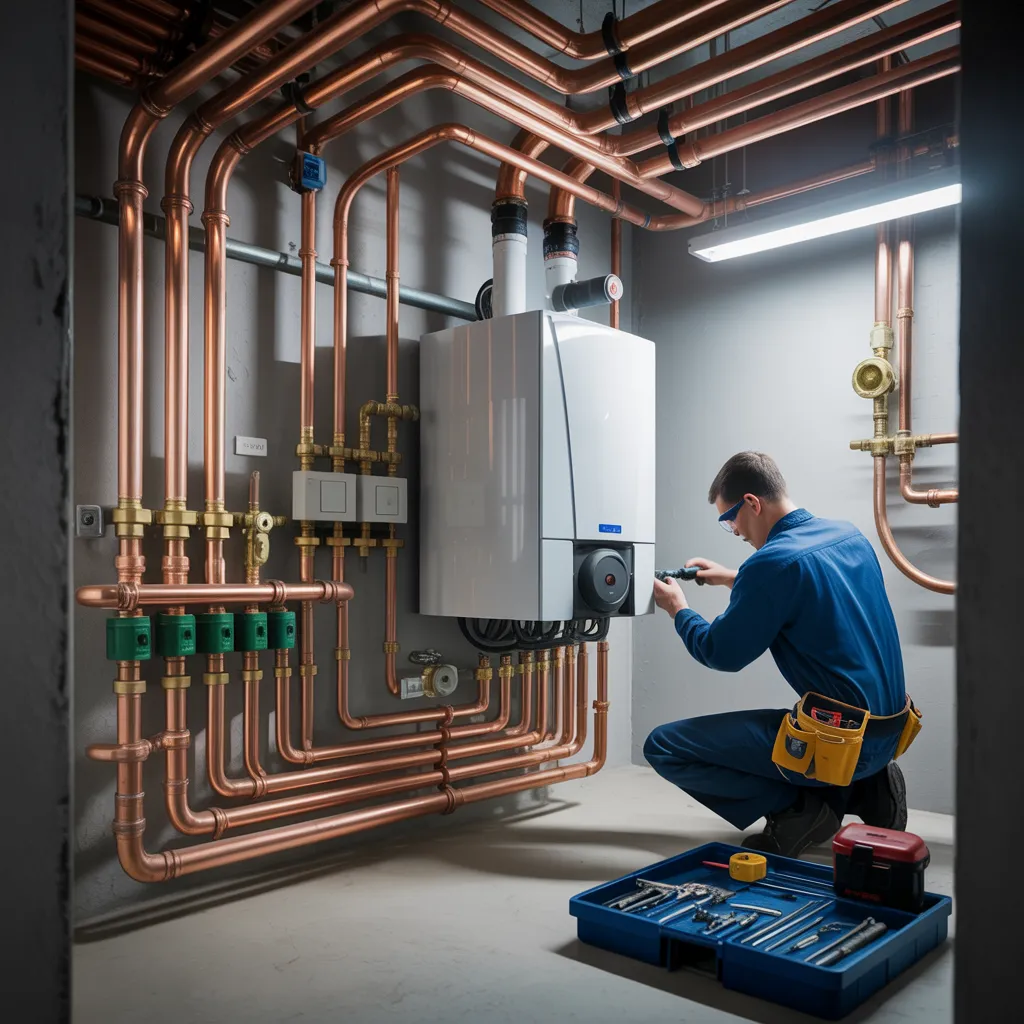
Why Dependable Plumbing and Heating Services Are Important
Reliable plumbing and heating solutions are critical for sustaining a secure and pleasant living environment. These services guarantee that water systems operate correctly, preventing leaks and water damage that could threaten structural integrity. Furthermore, reliable heating systems are necessary in cooler seasons, offering warmth and comfort while protecting against health risks associated with extreme temperatures.
Prompt maintenance and repairs can increase the lifespan of plumbing and heating systems, sparing homeowners from unnecessary replacement costs. Qualified services also guarantee compliance with safety standards, reducing the risk of accidents such as gas leaks or flooding. Moreover, a well-serviced system boosts energy efficiency, ultimately lowering utility bills.
At a time when comfort and security are essential, the importance of reliable heating and plumbing services cannot be overstated. Relying on these services encourages peace of mind, allowing homeowners to attend to other aspects of their lives without the stress of unanticipated plumbing or heating issues.
Signs You Need Professional Plumbing and Heating Help
When property owners observe strange alterations in their plumbing and heating infrastructure, it frequently indicates the need for professional assistance. Typical signs include persistent leaks, which can result in increased bills and water damage. Unusual noises from plumbing fixtures or heating systems may also indicate underlying issues that require expert evaluation. Moreover, fluctuating water temperatures or inconsistent heating can signal systems in need of repair or replacement.
A sudden increase in utility bills might indicate problems find this resource in the heating or plumbing systems that need addressing. Residents should also watch out for unpleasant odors, which could indicate sewer problems or gas leaks. Finally, corrosion and rust visible on fixtures can point to deterioration that necessitates immediate attention. Catching these indicators early can avoid more serious and expensive damage, maintaining a comfortable and secure home all year long.
How to Choose the Right Plumbing and Heating Provider
Identifying the most suitable plumbing and heating provider calls for thorough evaluation of multiple essential factors. Professional experience and knowledge, along with appropriate insurance and licensing, are fundamental to delivering exceptional service. In addition, being aware of the breadth of service options and packages enables consumers reach well-informed decisions that align with their individual circumstances.
Skills and Experience
Selecting a plumbing and heating provider necessitates careful consideration of both experience and expertise, as these factors directly impact the quality of service. A reputable provider typically has a track record that highlights their ability to handle various plumbing and heating problems effectively. Their experience often leads to a deeper understanding of common problems and practical solutions. Additionally, expertise in the latest technologies and methods is essential in an industry that continually evolves. Homeowners should consider providers with advanced training and certifications, as these credentials reflect a commitment to professional standards. By focusing on experience and expertise, clients can guarantee they receive dependable service that fulfills their specific needs and preserves the comfort of their homes year-round.
Licensing and Insurance
Insurance is equally important, as it defends homeowners against potential risks that could arise during work, such as accidents or damage to property. A trustworthy provider will hold both liability and workers' compensation coverage, ensuring assurance to customers.
Prior to hiring, homeowners ought to verify a contractor's licensing status and insurance coverage. This verification process helps avoid future issues and contribute to a positive and secure experience overall.
Available Services and Package Options
Several plumbing and heating specialists present diverse services and packages, which means homeowners must evaluate their particular requirements before selecting a service. Homeowners ought to take into account elements like seasonal maintenance, emergency repairs, and installation services when assessing available choices. Service plans often feature energy efficiency assessments, routine check-ups, and warranty coverage. Clear and upfront pricing is essential; companies ought to present honest estimates with no unexpected fees. Additionally, reading customer reviews can help gauge the reliability and quality of service. It is advisable for homeowners to inquire about flexible plans that accommodate their budget and requirements. Fundamentally, making the best provider selection requires a careful analysis of offered services, pricing transparency, and overall customer contentment.
Why Consistent Maintenance Is Vital for Your Home
Routine maintenance is crucial for every household, as it not only ensures the effectiveness of plumbing and heating systems but also extends their longevity. By scheduling routine inspections, residents can spot underlying concerns before they escalate into costly repairs. This preventative method helps to confirm that systems operate at peak performance, reducing energy consumption and lowering utility bills.
Moreover, consistent maintenance boosts safety by reducing the risk of failures that could lead to unsafe circumstances, such as leaks or carbon monoxide exposure. It also protects warranties on equipment, as many manufacturers require consistent servicing to validate coverage.
Ultimately, investing in routine maintenance offers peace of mind, understanding that all systems are operating at peak performance. Homeowners who embrace this approach experience improved comfort, reliability, and long-term savings, making it a critical aspect of homeownership.
Dealing with Plumbing and Heating Emergencies
Homeowners may find themselves facing unexpected plumbing and heating emergencies regardless of their diligent maintenance efforts. When these circumstances develop, immediate response is critical to reduce damage and recover normalcy. Common emergencies include ruptured pipes, defective water heaters, or heating system malfunctions in severe weather conditions.
At these times, it is important to identify the problem quickly. For issues with plumbing, closing the main water valve can stop flooding from occurring, while heating system failures may necessitate adjusting the thermostat or inspecting power sources.
Reaching out to a reputable plumbing and heating company is strongly suggested, as skilled technicians can diagnose and resolve issues efficiently. Residents should have emergency service contact details on hand. Furthermore, recording the problem can improve communication with the technician. By remaining calm and informed, homeowners can navigate these emergencies effectively, keeping their homes secure and comfortable.
Budget-Friendly Tips for Plumbing and Heating Services
Budget-conscious approaches in plumbing and heating services can considerably cut expenditures for homeowners. Routine upkeep not only prolongs the life of systems but also prevents costly repairs. Furthermore, opting for energy-efficient upgrades can generate considerable savings on utility bills over the long term.
Routine Maintenance Advantages
Preserving plumbing and heating systems on a regular basis can lead to substantial financial benefits. Scheduled servicing helps pinpoint and fix minor issues before they turn into expensive fixes. By arranging regular check-ups, homeowners can ensure their systems run at peak performance, decreasing power consumption and reducing monthly energy costs. Additionally, regularly maintained systems tend to have extended service lives, postponing pricey upgrades. Scheduled upkeep can also improve safety by eliminating risks such as leaks or gas issues. Additionally, many service providers offer maintenance plans that can deliver reduced rates on repairs and maintenance, adding another layer of savings. In summary, prioritizing scheduled upkeep is a sensible decision for homeowners aiming to reduce spending while maintaining comfort throughout the year.
Energy-Efficient Upgrades
Upgrading to energy-efficient plumbing and HVAC systems can significantly lower monthly utility costs while improving overall comfort levels. Homeowners can consider installing tankless water heaters, which provide hot water on demand, preventing unnecessary energy waste. Additionally, programmable thermostats allow for better temperature control, lowering energy use during periods when the home is empty. Properly insulating pipes and ducts reduces heat dissipation, enhancing system performance even more. Energy-efficient furnaces and boilers use less fuel while maintaining steady heat output. In terms of plumbing, water-saving fixtures can significantly lower water consumption without sacrificing performance. By investing in these upgrades, homeowners decrease their monthly bills and promote a more sustainable environment. Overall, energy-saving upgrades provide a sensible way to preserve comfort and reduce resource consumption throughout the year.
Emerging Trends in Plumbing and Heating to Look Out For
What emerging technologies are defining the future of plumbing and heating? Advancements like smart thermostats and leak detection systems are transforming the way homeowners oversee their utilities. Smart thermostats study user habits, maximizing energy savings while elevating overall comfort. Meanwhile, advanced leak detection technology alerts homeowners to potential issues before they escalate, minimizing water damage and repair costs.
Another notable development is the integration of on-demand water heaters, which provide hot water on demand, improving efficiency while conserving space. Additionally, environmentally conscious plumbing materials, like cross-linked polyethylene piping, are becoming increasingly popular for their strength and ability to withstand corrosion.
In the field of heating, heat pumps are becoming more prevalent due to their ability to transfer heat in an efficient manner, reducing energy consumption. Together, these advancements promise not only to strengthen the effectiveness and consistency of plumbing and heating systems but also to contribute to a more sustainable future for residential comfort.
Common Questions and Answers
How Often Should I Schedule Plumbing and Heating Maintenance?
Professionals advise arranging plumbing and heating maintenance no less than once per year. Periodic evaluations may eliminate the need for costly fixes, maintain system effectiveness, and extend the life of your equipment, which leads to a more enjoyable and comfortable home.
What Are the Most Common Plumbing and Heating Myths?
Common plumbing and heating myths include the false assumption that chemical treatments can eliminate all types of clogs, that wider pipes will always provide improved flow rates, and that regular maintenance is unnecessary if systems appear to function well.
Am I Able to Carry Out Any Plumbing or Heating Repairs on My Own?
That's correct, some plumbing and heating fixes can be performed by property owners, particularly basic tasks like unclogging drains or replacing faucets. However, complex situations generally call for qualified assistance to ensure safe outcomes and prevent further damage.
Which Certifications Should I Look for in Service Providers?
When evaluating contractors, it is important to look for certifications such as Master Plumber, HVAC Technician, or state licensing. These credentials indicate a commitment to quality, expertise, and adherence to safety standards in plumbing and heating services.
What Steps Can I Take to Increase My Home's Energy Efficiency?
Increasing a home's overall efficiency can include eliminating drafts and leaks, improving insulation, incorporating high-efficiency appliances, and setting up smart thermostats. Scheduled maintenance of HVAC equipment further improves operational efficiency and reduces energy consumption over time.